
Antony Blinken threatened sanctions, escalated the Russia Ukraine crisis, and the demand for gold as a safe haven soared
- May 22, 2025
- Posted by: Macro Global Markets
- Category: News
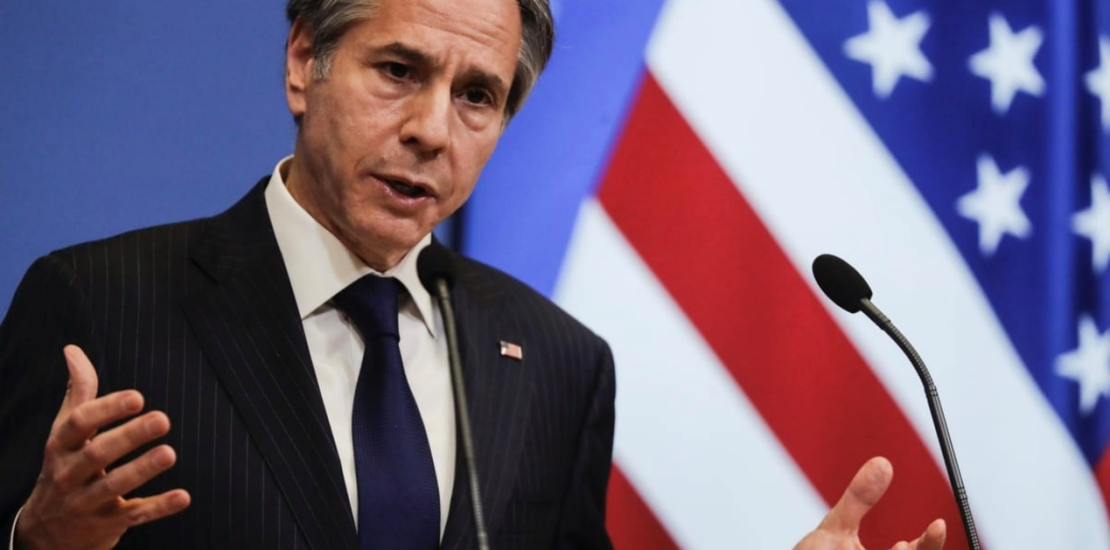
1、 Antony Blinken issues an ultimatum, and the EU and the UK simultaneously increase sanctions
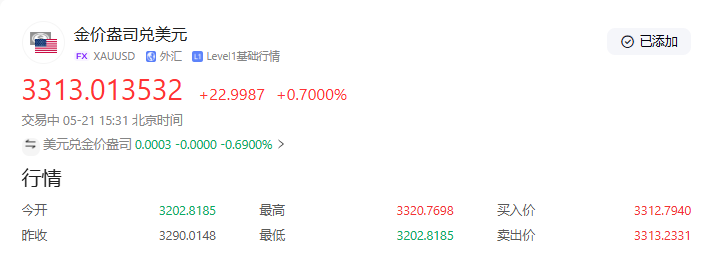
On May 20 local time, US Secretary of State Antony Blinken made a strong statement in his speech at the Washington Think Tank that if Russia and Ukraine failed to make substantive progress on the ceasefire agreement in the next two weeks, the United States would join the EU to implement a new round of sanctions against Russia, focusing on energy, finance and military industrial complex. This statement immediately caused a market shock. On May 21st, during the Asian session, spot gold prices surged last night, breaking through the $3300/ounce mark and reaching a new high of $3320.76 in over a week.
2、 Details of sanctions and escalation of geopolitical risks
The sanctions plan includes expanding the scope of strikes against Russia’s “shadow fleet”, prohibiting its oil transport vessels from entering EU ports, and freezing the assets of related shipping companies. On May 20th, the European Council officially passed the 17th round of sanctions against Russia, involving 189 Russian ships and blacklisting key energy companies such as Russia’s Surgut Oil and Gas Company. Following closely behind, the UK announced the suspension of negotiations on a free trade agreement with Russia and imposed asset freezes on individuals and institutions involved in the information war against Ukraine.
Although the Trump government recently promoted Russia and Ukraine to hold direct negotiations in Türkiye, the differences between the two sides on territorial sovereignty and security issues are difficult to bridge. Russia demands Ukraine to recognize its control over Crimea and the four eastern states, while Ukraine insists on restoring the 1991 borders. Historical data shows that since the outbreak of the conflict in 2022, the West has imposed over 8000 sanctions on Russia. However, Russia has successfully eased economic pressure through energy exports and the ruble settlement mechanism, resulting in a current account surplus of $110.3 billion in the first quarter of 2025.
3、 The triple driving logic of the gold market
The geopolitical risk premium soared: the situation in the Middle East continued to be tense due to Israel’s possible attack on Iran’s nuclear facilities, and the Russia-Ukraine conflict was protracted, and the market risk aversion reached a critical point.
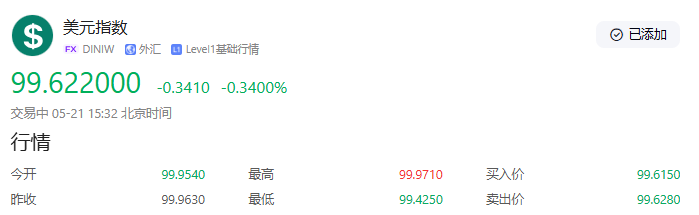
The shaking of the US dollar credit system: The chain reaction of Moody’s downgrading the US sovereign credit rating to “Aa1” continues to ferment, and the US dollar index fell below the 100 mark to 99.62 on May 21, hitting a new low since May 8. The yield of 10-year US Treasury bonds has exceeded 4.5%, and the yield of 30-year bonds has soared to over 5%. Investors’ trust crisis in US Treasury credit has intensified the safe haven appeal of gold.
Monetary policy expectations shift: Although the Federal Reserve has hinted at not cutting interest rates until at least September, traders expect to cut rates twice before the end of 2025, with the first rate cut possibly landing in September. The weakening of the US dollar and the expectation of interest rate cuts form a “dual wheel drive”, and gold, as a core asset for resisting inflation and hedging policy risks, has unprecedentedly increased its attractiveness.
The current gold market is in a triple positive resonance of geopolitical risks, US dollar credit crisis, and technological breakthroughs. The escalation of US sanctions against Russia has become the “last straw” that triggers a wave of safe haven.




 English
  Chinese
  Vietnamese