
Netanyahu’s tough stance triggers escalation of Middle East situation, with a surge in gold safe haven demand reaching a one week high
- May 23, 2025
- Posted by: Macro Global Markets
- Category: News
1、 Background and Latest Developments of the Event
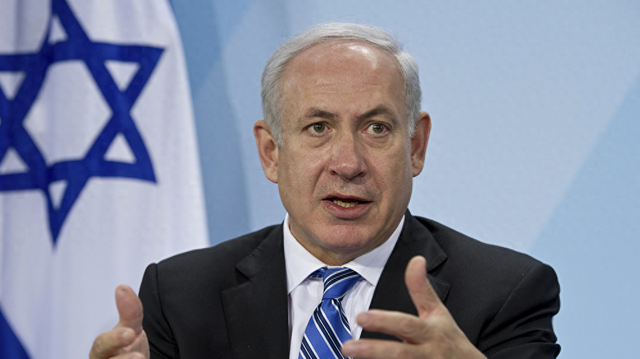
On the evening of May 21st local time, Israeli Prime Minister Netanyahu held his first press conference since December 2024, declaring that Israel will fully control the entire Gaza Strip and stating that “the war will be won until it is won”. This statement marks an escalation of Israel’s military operations in the Gaza Strip, shifting from “eliminating Hamas” to “permanently controlling territory”. Netanyahu emphasized that the ceasefire must be “temporary” and must be based on the disarmament of Hamas, the expulsion of the leadership, and the comprehensive demilitarization of Gaza.
On May 22, the Israeli army launched a large-scale airstrike codenamed “Infrastructure Clearance Plan” in the Gaza Strip, striking 115 targets within 24 hours, including Hamas’ underground tunnels, weapons depots, and command centers. According to data from Gaza’s health department, the daily death toll has risen to 56, including 17 children, further exacerbating the humanitarian crisis. At the same time, Israel’s comprehensive blockade of Gaza has led the United Nations Relief and Works Agency for Palestine Refugees in the Near East to warn that the people of Gaza are facing a dual threat of famine and disease.
2、 International community response and escalation of geopolitical risks
Attitudes of European and American countries have changed
The UK, France, and Canada have issued a rare joint statement condemning Israel’s military actions as “beyond self-defense” and threatening to take joint action, including sanctions. EU High Representative for Foreign Affairs and Security Policy, Callas, announced the launch of a review of the EU Israel Association Agreement, while French Foreign Minister Barrow bluntly stated that Gaza has become a “death trap”.
Although the United States has not directly condemned Israel, the Trump administration has restarted its “maximum pressure” policy on Iran, implying support for Israel’s potential strike on Iran’s nuclear facilities.
The chain reaction of the situation in the Middle East
The Houthi armed forces in Yemen have announced a blockade on the Israeli port of Haifa, warning international ships to detour. The commander of Hezbollah in Lebanon was killed in an Israeli airstrike, further exacerbating regional tensions. Iran, on the other hand, has formed a “curved encirclement” of Israel by supporting the Houthis and Hezbollah, posing a risk of the regional conflict escalating into a full-scale war.
3、 Real time reactions and driving factors in the gold market
Surge in safe haven demand drives up gold prices
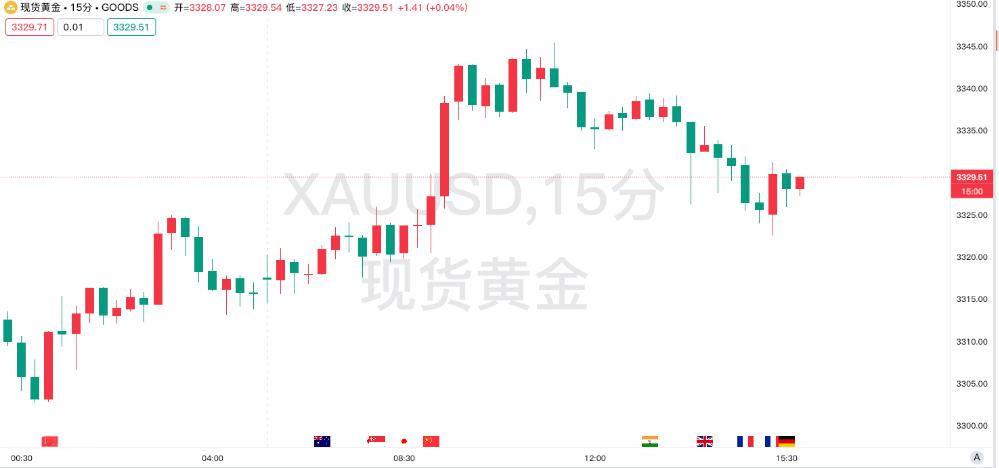
Affected by the escalation of geopolitical risks, international spot gold reached a high of $3336.92 per ounce during the Asian trading session on May 22, up 0.66% from the previous trading day and setting a new high for the week. Currently, it is fluctuating around $3330.
The US Dollar Credit Crisis and Monetary Policy Expectations
The US dollar index plummeted 0.6% on Wednesday, falling below the 100 point mark to 99.33, hitting a new low in nearly two weeks. The demand for US 20-year treasury bond auction was weak, and the winning interest rate soared to 5.047%, indicating that international investors’ confidence in US bonds fell to the freezing point. The Trump administration’s tax cut bill may increase federal debt by another $3-5 trillion, and the expectation of monetizing the fiscal deficit exacerbates the US dollar credit crisis.
The expectation of interest rate cuts by the Federal Reserve is heating up, domestic bank interest rates have been continuously lowered, the opportunity cost of holding gold has decreased, and funds are accelerating their shift towards zero interest assets such as gold.
4、 Risk Warning
Technical pullback risk: The gold RSI indicator has entered the overbought zone (85), and if there is a divergence from the top, be alert to short-term adjustments.
Policy shift risk: If the Federal Reserve unexpectedly releases hawkish signals or the geopolitical situation suddenly eases, it may trigger bullish profit taking.
Position management: It is recommended that a single trading position should not exceed 3% of the total funds, and after making a profit, timely move up the stop loss to the cost line.




 English
  Chinese
  Vietnamese