
Senate narrowly passes’ big and beautiful ‘bill, 3.3 trillion debt bomb detonates House attack and defense battle
- July 2, 2025
- Posted by: Macro Global Markets
- Category: News
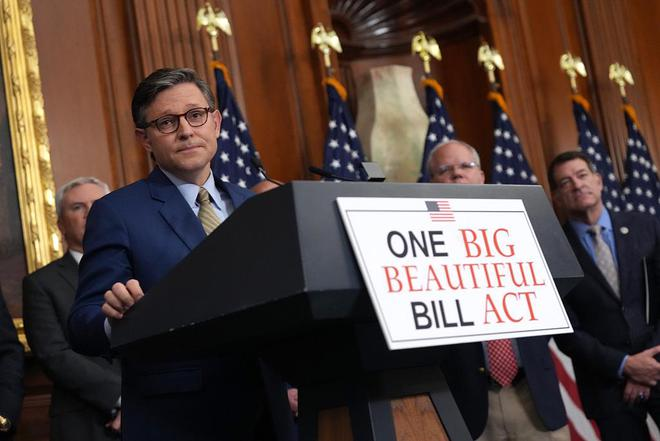
On July 1st local time, the US Senate narrowly passed Trump’s “Big and Beautiful” tax and spending bill by a margin of 51-50, with Vice President Vance casting a crucial deciding vote to break the deadlock. This bill plans to cut taxes by $4 trillion and raise the debt ceiling by $5 trillion over ten years, but the latest assessment by the Congressional Budget Office (CBO) shows that the Senate version will increase the federal deficit by $3.3 trillion over the next decade, far exceeding the version previously passed by the House of Representatives. The bill has sparked strong opposition from the Democratic Party due to significant cuts in social welfare, cancellation of new energy subsidies, and expansion of military spending. The House of Representatives will start a debate on July 2nd, and at least six Republican lawmakers have threatened to vote against it. The legislative game has entered a white hot stage.
1、 The process of passing the bill: political games and economic costs intertwined
After narrowly passing the “Big and Beautiful” bill in the House of Representatives by one vote on May 22, it went through a 27 hour marathon vote on amendments in the Senate. Despite Trump’s request to sign it into law before July 4th, the Senate’s amendment requires it to return to the House for a new vote. According to CBO data, the bill will lead to an increase of 11.8 million people without medical insurance by 2034 and push the federal debt to exceed $36.2 trillion. The Republican Party was forced to abandon tax breaks on worker tips and overtime pay and adjust medical subsidy provisions in order to fight for the passage of the bill, but still failed to bridge internal divisions – three Republican senators voted against it due to concerns about debt risks.
The core controversy of the bill lies in fiscal sustainability. CBO pointed out that while the bill stimulates economic growth through tax cuts, it will lead to a rise in interest rates and an increase of $441 billion in interest expenses, with actual deficit growth far exceeding the Republican Party’s claim of “saving $500 billion”. The Democratic Party criticized the bill as “robbing the poor to help the rich”, which would increase the average annual income of the wealthiest families by $12000, while the poorest families would lose about $1600 per year. Tesla CEO Elon Musk angrily denounced the bill as “crazy and destructive,” warning that it would “destroy millions of jobs.

2、 Economic shock wave: debt expansion and market chain reaction
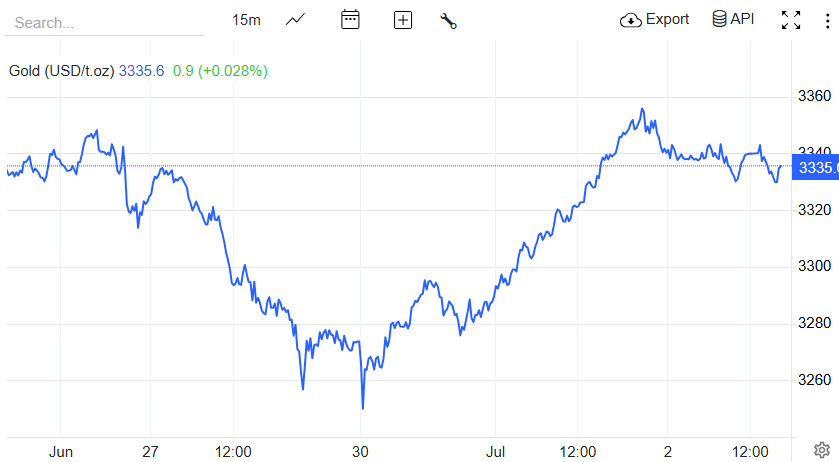
After the bill was passed, market concerns about the US fiscal deficit quickly escalated. On July 1st, the US dollar index fell below 96.50, hitting a new low since February 2022; The yield of 10-year US treasury bond bonds rose 4.1 basis points to 4.267%, reflecting investors’ pricing of debt risk. At the same time, spot gold prices surged above the $3350 mark, reaching a high of $3354.8 per ounce, with a daily increase of 1.17%.
3、 House battle ahead: Six Republican lawmakers become key variables
Speaker of the House Johnson has promised to complete the vote before July 4th, but the Senate version of the bill faces multiple challenges. At least six Republican lawmakers have expressed opposition, with Kentucky Congressman Marcy stating that “a $3 trillion debt increase is unacceptable. In addition, the bill revokes the Biden administration’s new energy tax credit, which may weaken the Republican Party’s support in swing states. The Democratic Party plans to use “cutting medical subsidies” and “exacerbating wealth inequality” as weapons to attack the Republican Party in the midterm elections.
Although Trump is pressuring the House of Representatives to accelerate legislation, the market has doubts about the timeline for the final implementation of the bill. White House economic advisers have hinted that the signing date may be postponed to after July 4th, and if the bill is blocked again in the House of Representatives, it could trigger the risk of a government shutdown.
4、 Global Impact: Debt Risk and Geopolitical Resonance
The passage of the bill has intensified the international community’s concern about the sustainability of the United States’ debt. Major US bond holders such as China and Japan have reduced their holdings of treasury bond by more than $120 billion in the first half of 2025, turning to safe haven assets such as gold. According to data from the World Gold Council, global central bank gold purchases increased by 37% year-on-year in the second quarter of 2025, reaching a historic high for the same period.
In terms of geopolitics, the expanded military spending ($150 billion) of the bill may exacerbate regional tensions. Iran threatened to “take reciprocal action” after the bill was passed, while the year-on-year increase in shipping insurance costs in the Strait of Hormuz still reached 280%, further boosting market risk aversion.
The passage of the “Big and Beautiful” bill marks a phased victory for Trump’s economic agenda, but the fiscal deficit and social division it triggers may become long-term risks. The gold market is facing structural opportunities amidst the interweaving of debt risk and policy uncertainty.





 English
  Chinese
  Vietnamese