
Sydney NSW 2000. Level 2, 35
Clarence Street.
-
The Israeli ground offensive has been upgraded! Tank intrusion into Gaza’s core area, joint condemnation by 25 countries triggers gold safe haven wave
- July 22, 2025
- Posted by: Macro Global Markets
- Category: News
No Comments
On July 21st, the Israeli army launched a ground military operation against Deir ez Zor in the central Gaza Strip, marking the first time in 21 months since the outbreak of the Israeli Palestinian conflict that the Israeli army has entered the area. Deir al Barah is regarded by Israel as a “core forbidden zone” for Hamas to hold hostages, and the Israeli military’s operation aims to search for possible surviving hostages. However, the operation resulted in at least 130 deaths and 1155 injuries, and the cumulative death toll in the Gaza Strip has exceeded 59000. The coordinated operation of Israeli ground forces and air strikes has caused heavy damage to densely populated areas such as the Derbaylah refugee camp and the Al Aqsa hospital. The United Nations Office for the Coordination of Humanitarian Affairs (OCHA) warned that about 50000 to 80000 people in the area are under direct threat.
-
Israeli airstrikes on Syrian capital ignite Middle East situation! Security Council emergency meeting focuses on sovereignty crisis, testing gold’s safe haven properties again
- July 17, 2025
- Posted by: Macro Global Markets
- Category: News
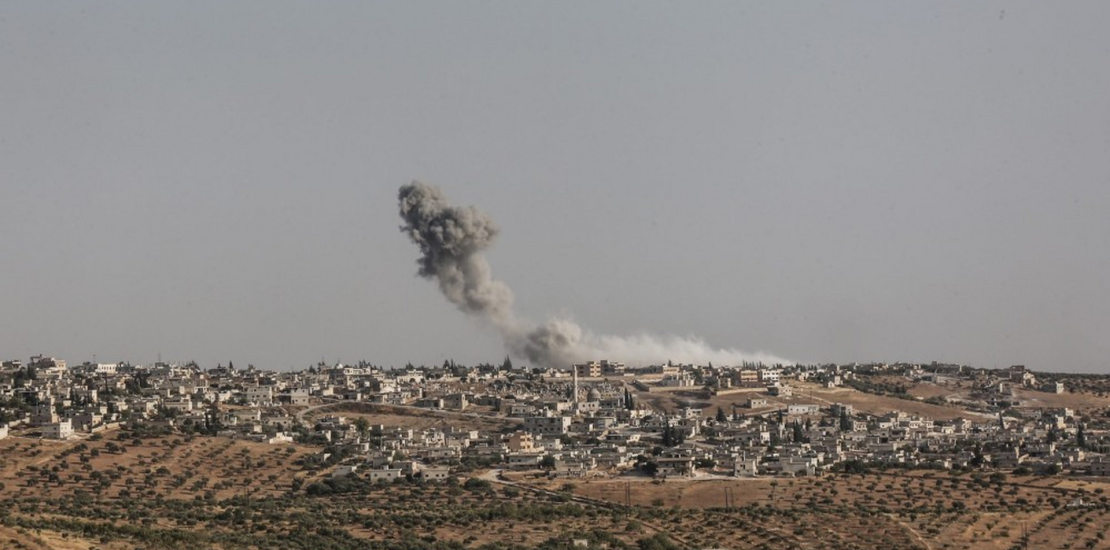
On the evening of July 16th local time, the Israeli Defense Forces launched a large-scale airstrike on the Syrian capital Damascus, targeting the Syrian Ministry of Defense building, military facilities near the Presidential Palace, and the entrance of the General Staff, resulting in at least 3 deaths and 34 injuries. This operation is the largest military escalation by Israel since its intervention in the conflict in the southern Syrian province of Suwayda on July 14th, directly triggering an emergency meeting of the United Nations Security Council. The Security Council will hold closed door consultations at 18:00 Beijing time on the 17th to discuss the issue of “condemning Israel’s violation of sovereignty” proposed by Syria.
-
Initial tariff impact: US June CPI rebounds year-on-year beyond expectations, gold under pressure to fall
- July 17, 2025
- Posted by: Macro Global Markets
- Category: News

On July 16th, spot gold trading in the Asian market was around $3340 per ounce. The US dollar index rose for the fourth consecutive trading day, hitting a high of 98.70 on Tuesday, reaching a new high since June 23 and closing at 98.616. The yield of the US 10-year treasury bond bond rose to 4.487%, the highest level since June 11, and the 30-year yield hit a six week peak of 5.022%.
-
Trump announces a 35% tariff on Canada and plans to implement universal tariffs, causing another ripple in the global trade landscape
- July 11, 2025
- Posted by: Macro Global Markets
- Category: News
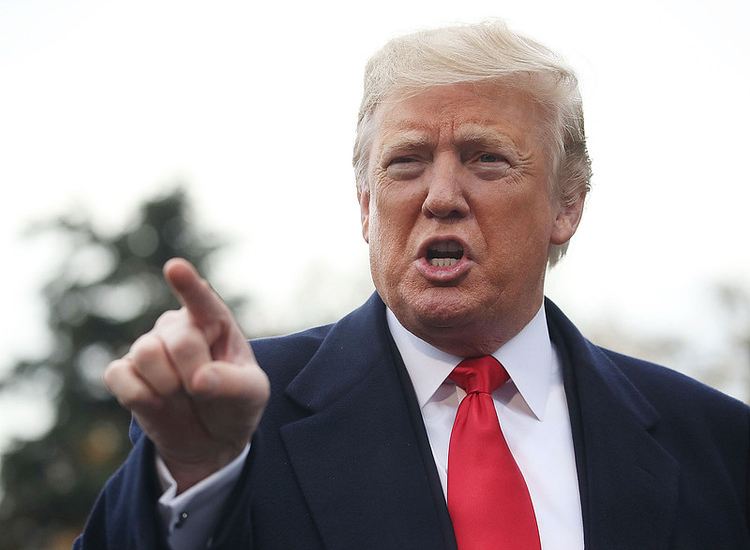
On July 10th local time, US President Trump announced on social media that he would impose a 35% tariff on goods imported from Canada starting from August 1st. This is another major trade policy adjustment by the Trump administration, following the 25% -40% tariff imposed on 14 countries including Japan and South Korea on July 7th. In a letter to Canadian Prime Minister Carney, Trump accused Canada of “taking retaliatory tariff measures” and emphasized that this tariff is independent of all industry tariffs. If Canada does not cooperate to prevent fentanyl from flowing into the United States, tariffs may be further increased. At the same time, Trump revealed in an interview with NBC that he plans to impose a unified tariff of 15% -20% on countries that have not yet received tariff letters, and the global trading system is facing a “tariff storm” of comprehensive upgrading.
-
Trump’s tariff cap extended to August 1st! 14 countries including Japan and South Korea face a minimum tax rate of 25%, with geopolitical risks resonating with the gold market
- July 8, 2025
- Posted by: Macro Global Markets
- Category: News
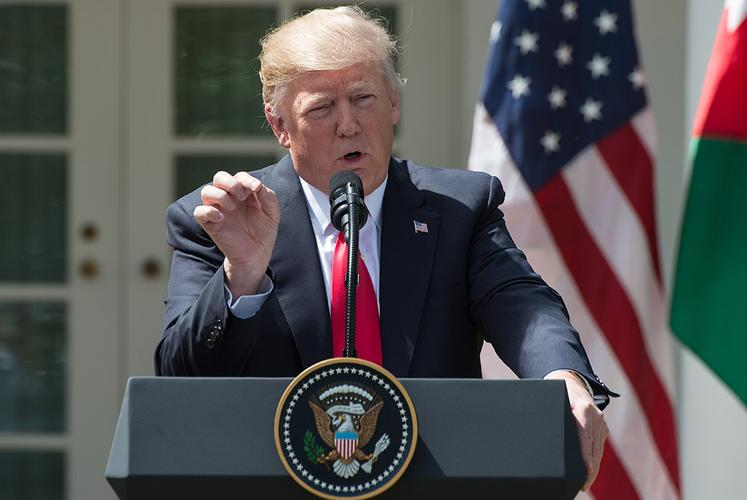
On July 7th local time, US President Trump announced that tariffs ranging from 25% to 40% will be imposed on imported products from 14 countries including Japan and South Korea starting from August 1st. At the same time, he signed an executive order to extend the “equivalent tariffs” originally scheduled for July 9th to August 1st. According to the letter released by Trump, countries such as Japan, South Korea, and Malaysia will be subject to a 25% tariff, South Africa and Bosnia and Herzegovina will be subject to a 30% tariff, Indonesia will be subject to a 32% tariff, Thailand and Cambodia will be subject to a 36% tariff, and Laos and Myanmar will be subject to up to 40% tariffs. Trump emphasized that if retaliatory tariffs are imposed by relevant countries, the United States will “increase the burden equally” and encourage companies to build factories in the United States to avoid tariffs.
-
Panoramic Analysis of US Non-Farm Data in June: Employment Resilience and Market Ripples under Policy Gaming
- July 4, 2025
- Posted by: Macro Global Markets
- Category: News
The June non-farm data released by the U.S. Bureau of Labor Statistics on Thursday, like a stone thrown into the market lake, not only reflects the complex resilience of the U.S. labor market, but also triggers the financial market to re-examine the policy path of the Federal Reserve. From the employment data itself to asset price fluctuations, from industry structure differentiation to institutional viewpoints, this report outlines the current subtle picture of the U.S. economy.
-
Senate narrowly passes’ big and beautiful ‘bill, 3.3 trillion debt bomb detonates House attack and defense battle
- July 2, 2025
- Posted by: Macro Global Markets
- Category: News
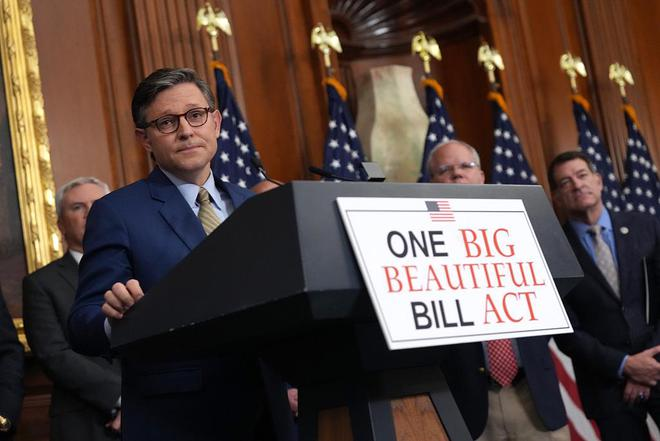
On July 1st local time, the US Senate narrowly passed Trump’s “Big and Beautiful” tax and spending bill by a margin of 51-50, with Vice President Vance casting a crucial deciding vote to break the deadlock. This bill plans to cut taxes by $4 trillion and raise the debt ceiling by $5 trillion over ten years, but the latest assessment by the Congressional Budget Office (CBO) shows that the Senate version will increase the federal deficit by $3.3 trillion over the next decade, far exceeding the version previously passed by the House of Representatives. The bill has sparked strong opposition from the Democratic Party due to significant cuts in social welfare, cancellation of new energy subsidies, and expansion of military spending. The House of Representatives will start a debate on July 2nd, and at least six Republican lawmakers have threatened to vote against it. The legislative game has entered a white hot stage.
-
Outlook for Non Farm payroll Data in June 2025: Employment Landscape in the Mist
- July 1, 2025
- Posted by: Macro Global Markets
- Category: News

As the core observation indicator of the Federal Reserve’s monetary policy, the fluctuation of US non farm employment data not only reflects the health of the labor market, but also directly affects the global asset pricing logic. The current market is in a critical period of the game between “high inflation stickiness” and “hidden concerns about economic slowdown”. The performance of non farm payroll data in June will further verify the cooling pace of the labor market and affect the pricing of the Federal Reserve’s expectation of interest rate cuts in September. It is worth noting that the previous value has been revised downwards by 95000 people, and the deviation between the recent non farm data and market expectations has significantly increased. For example, although the non farm data added 139000 people in May exceeded expectations, there is a risk of statistical correction in the previous data itself.
-
The Fed’s data dilemma and the euro exchange rate game: Dual variations of global monetary policy and market expectations
- June 27, 2025
- Posted by: Macro Global Markets
- Category: News

In Q3 2023, the U.S. Bureau of Labor Statistics (BLS) suddenly announced that it would suspend the high-frequency collection of a number of core economic data, which stems from the strict cuts in non-essential government spending in the congressional budget. As an important reference indicator for the Federal Reserve’s monetary policy decision-making, the frequency of non-farm payroll data collection has been reduced from monthly fine tracking to quarterly sampling surveys, and the sample coverage of the Consumer Price Index (CPI) has been reduced by 30%. At the same time, under the dual pressure of the energy crisis and supply chain reconstruction, the European Central Bank has raised interest rates three times in a row beyond expectations, pushing the euro against the U.S. dollar from 1.0572 to the key resistance level of 1.1218 in three months.
-
Trump loyalists switch sides to support July interest rate cut, Powell faces dual political and economic pressures
- June 24, 2025
- Posted by: Macro Global Markets
- Category: News
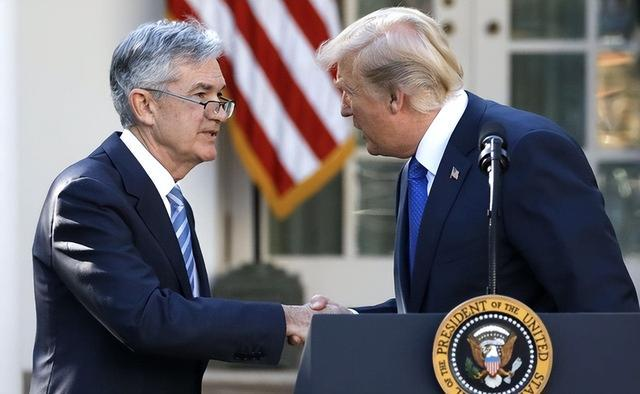
On June 24th, the internal game within the Federal Reserve regarding the path of interest rate cuts further intensified. Michelle Bowman, the Vice Chair of Federal Reserve Regulation nominated by Trump, explicitly stated in congressional testimony that if inflation remains moderate, she supports initiating interest rate cuts as early as July to “prevent potential structural weakness in the labor market. This statement echoes another confidant of Trump, Federal Reserve Governor Christopher Waller, who emphasized in his speech on June 20 that the impact of tariffs on inflation “may be short-lived” and that the Fed should “prioritize economic downside risks” to open a policy window for a July rate cut.

 English
  Chinese
  Vietnamese