
China and the United States issued a joint economic and trade statement and the shock wave of Trump’s policy: the gold market suffered double repression
- May 13, 2025
- Posted by: Macro Global Markets
- Category: News
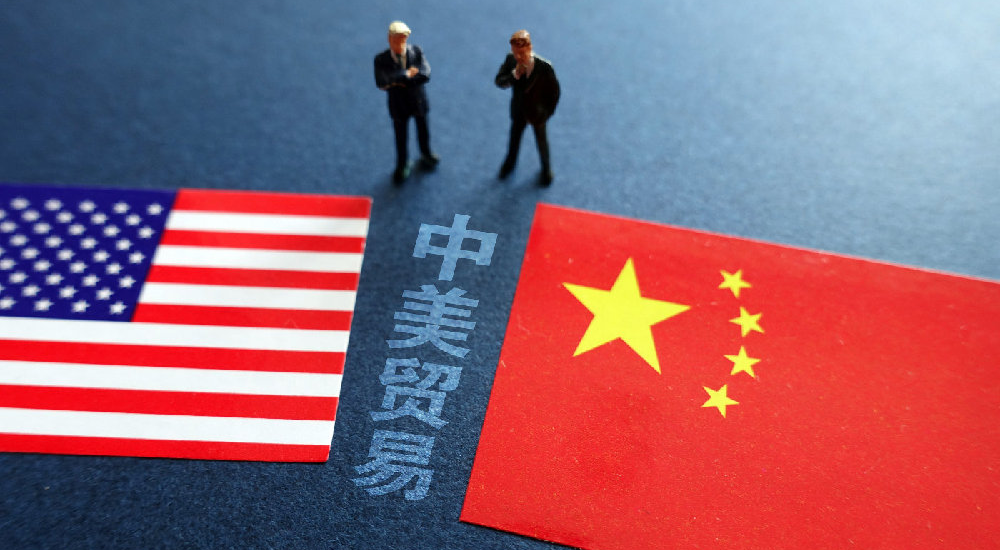
1、 Sino US joint statement on economic and trade landed: road map for tariff adjustment surfaced
On May 12, local time, China and the United States issued the joint statement on China US economic and trade in Geneva, Switzerland, marking substantial progress in the two-year tariff game. According to the statement, the United States will reduce tariffs on China in stages. The first batch of adjustments involve agricultural products, medical equipment and other fields, with tariffs falling by 30% – 50%, but tariffs on core technology products such as semiconductors and new energy vehicles remain high. The two sides agreed to establish a regular consultation mechanism, led directly by vice premier he Lifeng of China and US Treasury Secretary Yosemite, to hold regular dialogue on sensitive issues such as intellectual property protection and rare earth export controls.
The core outcomes of the negotiations include:
Supply chain stability mechanism: the two sides will establish joint working groups in key areas such as semiconductors and new energy to alleviate the risk of industrial chain fragmentation caused by technological blockade. China has pledged to expand American agricultural imports, while the United States has agreed to ease some export restrictions on medical equipment.
Tariff adjustment path: the United States suspended the implementation of 24% tariffs in the executive order of April 2, 2025, and retained the remaining 10% tariffs; China has simultaneously adjusted its countermeasures against us goods, and the total level of tariffs between the two sides has dropped by about 40% from the peak.
Market access breakthrough: China will further open up financial, education and other service industries, while the United States will allow Chinese enterprises to participate in some 5g infrastructure construction.
2、 Trump’s “King bombing” policy: double impact of drug price executive order and tariff game
As the dust of the negotiations between China and the United States settled, trump announced on May 12 that he would sign an executive order declaring that he would “immediately reduce the price of prescription drugs by 30% – 80%” and implement the “most favored nation policy”, requiring that the price of drugs in the United States be equal to the lowest price in the world. This policy is seen by the outside world as Trump’s “political show” to shift domestic economic pressure, but it may trigger a sharp shock in the medical sector – the share prices of large American pharmaceutical companies generally fell by more than 3% before the market, while Chinese innovative pharmaceutical companies may benefit from global drug price rebalancing due to cost advantages.
At the same time, trump will issue “the most important announcement in history” in his social media forecast, and market speculation may involve further adjustments to tariffs on China or new restrictions on technology. Analysts pointed out that the move was intended to create new uncertainty and gain leverage for subsequent negotiations, but could also weaken newly established market trust.
3、 Intensification of long short game: Institutional divergence and long-term support logic
Short-term negative dominance
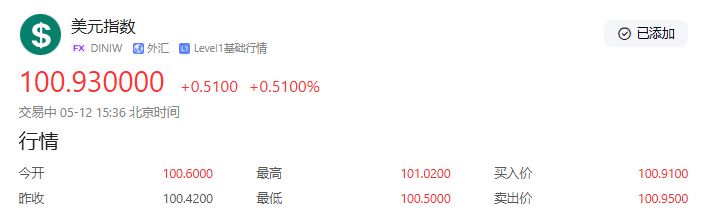
The easing of trade between China and the United States directly weakened the hedging nature of gold, and the superimposed dollar index rebounded above 101, suppressing the price of gold denominated in US dollars. Orient Securities pointed out that the short-term easing of tariff issues led to the rise and fall of gold, and the demand for technical overbought correction was strong.
Medium and long-term support is stable
Global central banks have bought net gold for the 16th consecutive year, with purchases expected to exceed 1200 tons in 2025, with China, India and Turkey as the main buyers. Goldman Sachs, UBS and other institutions believe that the delay in the Fed’s interest rate cut expectations and the weakening of dollar credit are still long-term supporting factors for gold, with a target price of $3700 at the end of the year.
Geopolitical and policy risk warning
We need to be alert to the escalation of regional risks such as the recurrence of Trump’s policies (such as tariff adjustments falling short of expectations), the undercurrent of China US science and technology war (such as the increase of chip export restrictions) and the conflict between India and Pakistan. If geopolitical risks resonate with hot spots in the Middle East and Eastern Europe, gold may usher in a retaliatory rebound.
The double impact of the breakthrough in Sino US economic and trade negotiations and Trump’s drug price policy has led to short-term pressure on the gold market. Investors need to distinguish between short-term fluctuations and long-term trends, short-term traders should strictly stop losses, and long-term holders can grasp the layout of callback opportunities. In the coming week, US CPI data will become a key guide to the market, and geopolitical and policy risks still need to be highly vigilant.



 English
  Chinese
  Vietnamese