
Historic negotiation window opens: Trump matches Russia Ukraine ceasefire
- May 21, 2025
- Posted by: Macro Global Markets
- Category: News
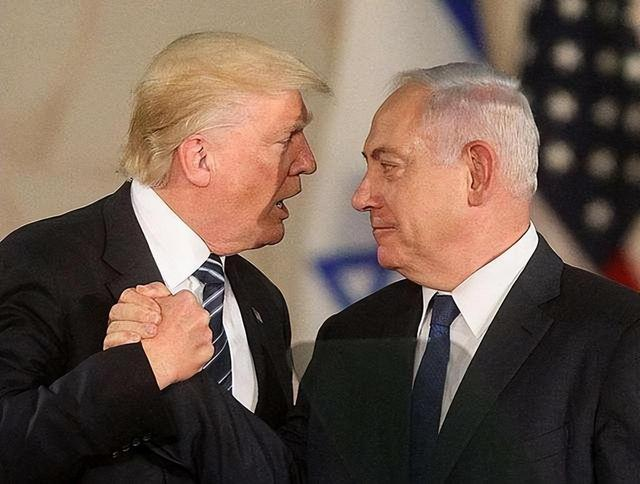
On May 19 local time, President Trump of the United States and President Putin of Russia held a two-hour telephone conversation and held intensive consultations on the ceasefire in the Russia-Ukraine conflict. After the call, Trump stated that Russia and Ukraine will “immediately initiate negotiations aimed at ending the war” and revealed that the Vatican has agreed to host the talks. Putin subsequently confirmed through a Kremlin statement that Russia was ready to draft a memorandum of understanding with Ukraine on a peace agreement and had restored direct contact with Istanbul negotiators. This breakthrough led to a 0.3% drop in spot gold prices in Asia from a high of $3245 per ounce to around $3220 per ounce in early trading on May 20th. The market’s pricing of geopolitical risk premium plummeted from $32 per ounce to $18 per ounce.
1、 Analysis of the complete sequence of events
The negotiation framework has surfaced
Trump revealed on social media that Putin proposed a “technical ceasefire” plan during the call, demanding that Ukraine withdraw armed militants from the Kursk region as a prerequisite for negotiations. Although Zerensky subsequently stated that “there will be no compromise on territorial issues”, Ukraine has agreed to discuss the ceasefire memorandum with Russia and consider resuming negotiations in neutral places such as Türkiye and the Vatican. It is worth noting that the Russian side did not set preconditions such as “demilitarization” this time, which was interpreted by the market as a strategic compromise.
The undercurrents of European gaming are surging
After talking with Putin, Trump quickly had intensive communication with Zelensky, President of the European Commission von der Leyen and leaders of France, Germany, Italy and other countries. The EU has clearly stated its continued support for Ukraine and emphasized that its determination to sanction Russia will not waver. This difference in stance between the United States and Europe may lead to cracks in the implementation of the ceasefire agreement – German Chancellor Merkel has hinted that if Russia fails to fulfill its ceasefire commitments, the EU will expand the scope of its energy embargo on Russia.
Potential pitfalls of ceasefire agreement
The ceasefire agreement proposed by the Russian side includes three key clauses: ① establishing a 20 kilometer wide Kursk demilitarized zone; ② Ukraine promises not to join NATO; ③ Western countries lift financial sanctions against Russia. Analysts point out that these provisions are actually a “scaled down version” of the 2022 Istanbul negotiation draft, but nationalist forces in Ukraine may strongly oppose the demilitarization provisions, and the EU’s resistance to lifting sanctions cannot be ignored.
2、 The long short struggle in the gold market
Short term impact of geopolitical easing
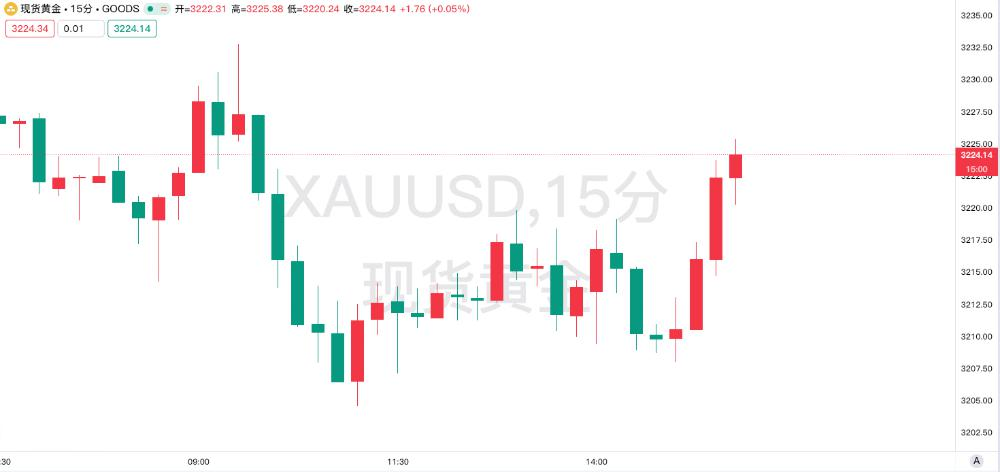
The rapid decline of geopolitical risk premium directly suppresses the price of gold. On May 20th during the Asian trading session, spot gold fell to $3204.58 per ounce, hitting a new low since May 16th and showing a V-shaped trend before that. This “sharp drop and sharp rise” trend reflects the market’s doubts about the actual effectiveness of the ceasefire agreement – Israel’s “Gideon Tank” operation in the Gaza Strip is still ongoing, targeting over 670 people and providing some safe haven support for gold.
The Pendulum Effect of Federal Reserve Policy
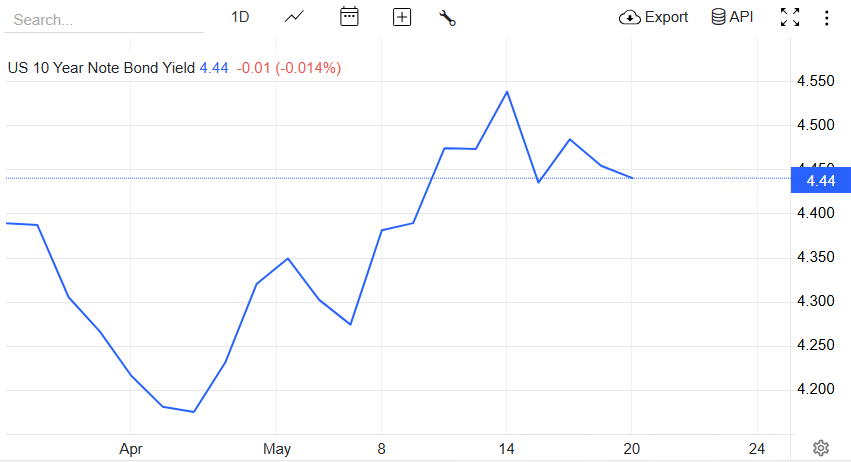
Federal Reserve officials have recently released hawkish signals, with New York Fed President Williams stating that “we have not seen a large-scale withdrawal of funds from US dollar assets.” Market expectations for the first interest rate cut have been postponed from June to September, and the annual rate cut has been reduced to 56 basis points. This policy shift has led to a rise in the yield of 10-year US Treasury bonds to 4.449%, suppressing the interest free asset nature of gold. On the other hand, the leading indicator monthly rate of the US Conference Board in April recorded -1%, the largest decline since March 2023, and signals of economic slowdown provided support for expectations of interest rate cuts.
3、 Institutional perspectives and trading strategies
Goldman Sachs Group recommends adopting a “cross market arbitrage” strategy, buying gold ETFs (GLD) while shorting S&P 500 index futures (SPX), to hedge against the risk asset rebound caused by geopolitical easing.
Morgan Stanley: Maintaining a “neutral” rating for gold, with a target price of $3200-3260 per ounce, believes that the uncertainty of the ceasefire agreement may trigger a volatility of around 3%.
The secret talks between Trump and Putin have brought a long lost dawn of peace to the Russia-Ukraine conflict, but the specific terms and implementation of the ceasefire agreement are still full of uncertainty.



 English
  Chinese
  Vietnamese