
Iran nuclear crisis escalates! Israel’s’ military countdown ‘ignites gold safe haven trend
- May 26, 2025
- Posted by: Macro Global Markets
- Category: News
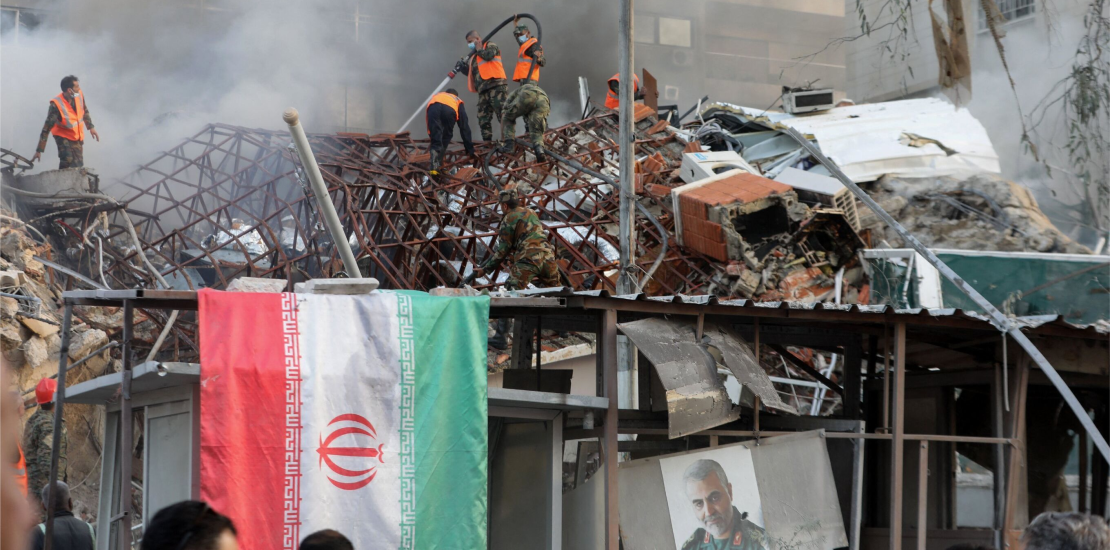
1、 Iran’s’ Ultimate Warning ‘and Israel’s’ Military Countdown’
On the early morning of May 23rd, Iranian Foreign Minister Aragorzi harshly stated in a letter to United Nations Secretary General Guterres: “If Israel dares to attack Iran’s nuclear facilities, the United States will be seen as a ‘joint aggressor’, and Iran will take ‘special measures’ to protect its nuclear assets.” This statement, along with the “destructive counterattack” statement issued by the Iranian Revolutionary Guard Corps on the same day, forms a dual deterrence.
Core contradiction of the event:
Israel’s military readiness: US intelligence shows that Israel has completed aerial exercises targeting Iran’s Natanz nuclear facility and deployed the Jericho 3 ballistic missile unit to combat readiness. Prime Minister Netanyahu hinted at a press conference on the Gaza issue on the 22nd that ‘unilateral action will be taken if necessary’.
The risk of collapse in US Iran negotiations: Despite the fifth round of US Iran nuclear talks being held in Rome on the 23rd, the positions of both sides are sharply opposed – the United States demands Iran to “completely stop uranium enrichment”, while Iran insists that “peaceful use of nuclear energy is a sovereign right”. Iran’s Supreme Leader Khamenei stated on the 20th that “negotiations with the United States will not yield results”.
Three major signals of geopolitical risk escalation:
Oil Channel Crisis: Iran’s Revolutionary Guard announced on the 23rd the deployment of the “Eye of the Persian Gulf” anti-ship missile system in the Strait of Hormuz, putting 20% of global oil transportation at risk of interruption. Brent crude oil futures jumped 3.2% to $89.4 per barrel.
Proxy War Linkage: Hezbollah launches rockets into northern Israel on the 23rd as a show of solidarity with Iran. The Israeli Defense Forces immediately launched airstrikes on the southern suburbs of Beirut, and the conflict showed a “multi-point outbreak” situation.
International community polarization: The European Union announced the 12th round of sanctions against Iran on the 23rd, but China and Russia clearly oppose unilateral sanctions. The Chinese Ministry of Foreign Affairs has called for “resolving differences through dialogue” and has activated the evacuation plan for Iraqi citizens.
2、 Gold Market: Geopolitical Risk Premium and De dollarization Resonance
1. Explosive release of short-term risk aversion emotions
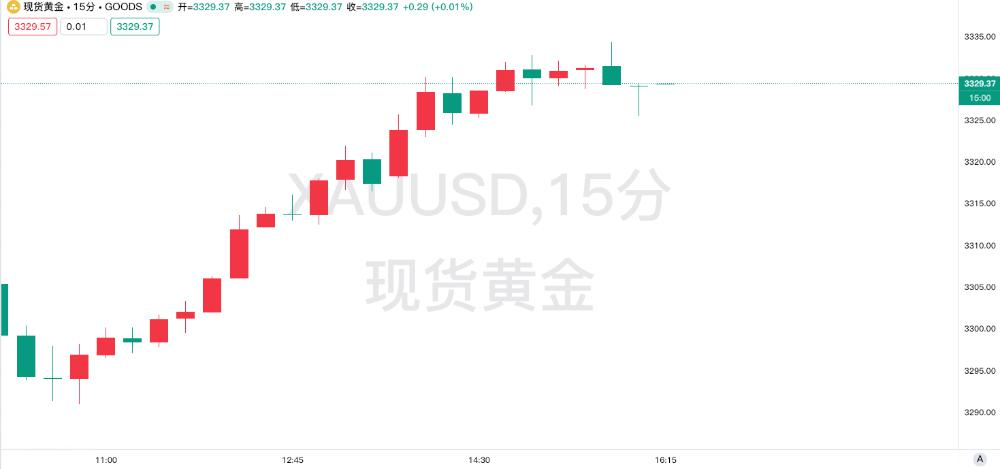
The Iran nuclear crisis directly triggered a surge in gold safe haven demand: global gold ETF holdings increased by 5.8 tons to 1097.6 tons per day, the largest increase in May. China’s gold imports reached 92 tons in April, increasing its holdings for six consecutive months to 2294 tons, highlighting the acceleration of “de dollarization”. On a technical level, gold has broken through the key resistance of $3300, forming a daily MACD golden cross, and the next target points to $3345 (May 22 high).
2. Structural opportunities for de dollarization
According to data from the World Gold Council, the global central bank’s gold purchases reached 244 tons in Q1 2025, and countries such as China, India, and Saudi Arabia are accelerating the diversification of their gold reserves. According to Goldman Sachs’ model, the global “de dollarization” contributes 120 tons of demand for gold annually. If the US sovereign credit rating is further downgraded, the gold price may soar to $4500 per ounce.
3、 Risk Warning
Data shock: If the US PCE price index (expected 4.6%) exceeds expectations at 20:30 on May 23, the expectation of the Federal Reserve cutting interest rates will cool down, putting short-term pressure on gold prices.
Diplomatic variables: The Vatican mediated the Iran Israel talks on the 24th, and if a ceasefire agreement is unexpectedly reached, gold prices may give up 40% of today’s gains.
The Iran nuclear crisis has exposed the fundamental contradiction in the geopolitical landscape of the Middle East – the zero sum game between territorial and energy interests.

 English
  Chinese
  Vietnamese