
Modi strongly warns Pakistan: Nuclear blackmail is ineffective, Indian military can strike with precision at any time! Geopolitical risks reignite
- May 14, 2025
- Posted by: Macro Global Markets
- Category: News
1、 Modi’s’ nuclear deterrence ‘remarks ignite South Asian situation
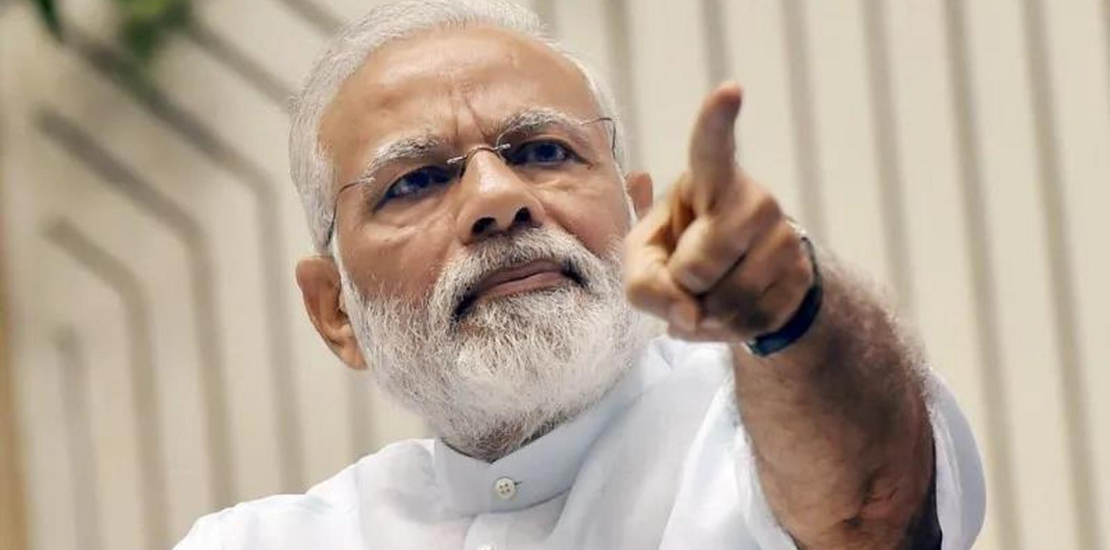
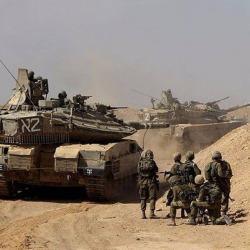
On the morning of May 13th, Indian Prime Minister Modi delivered a televised speech, issuing the strongest warning in Pakistan’s history: “If India encounters another terrorist attack, we will precisely strike the terrorist hideouts under the cover of nuclear blackmail and will not be intimidated by any threats.” This statement directly refers to the latest conflict on the Kashmir Line of Control – on May 12th, the Indian army claimed to have shot down two Pakistani drones, while the Pakistani side shelled the Indian controlled area, resulting in the death of three civilians and breaking the ceasefire agreement mediated by Trump.
Key details:
The ceasefire agreement is suspected to have broken: the ceasefire that came into effect on May 10th only lasted for 48 hours, and there have been 7 clashes in Kashmir. Indian border forces have entered the highest alert state;
Nuclear Policy Showdown: Modi publicly responded for the first time to Pakistan’s “first use of nuclear weapons” policy, stating that India “has a reciprocal countermeasure capability” and implying that a breakthrough in the “no first use” principle cannot be ruled out;
Economic sanctions escalate: India announces permanent termination of the Indus River Water Treaty, cutting off 60% of Pakistan’s farmland irrigation water sources, Pakistan recalls its ambassador to India, and bilateral trade is reduced to zero.
2、 India Pakistan Conflict 2.0: Historical Grudges and Realistic Games
Kashmir’s’ powder keg ‘reignites
Territorial dispute: Both sides claim sovereignty over 78% of Kashmir, with three wars and over 5000 border conflicts over the past 75 years;
Terrorism allegations: India accuses Pakistan of supporting the “Mohammed Army”, while Pakistan claims that the Indian army is using counter-terrorism to suppress the Kashmir independence movement;
Water War: After India amended the treaty, over 2 million farmers in the Thar region of Pakistan are facing crop failure, triggering large-scale protests from the Pakistani people.
Failure of international mediation
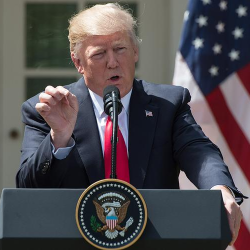
The US mediation was frustrated: Trump claimed to “facilitate a ceasefire”, but India refused to involve a third party, and US Secretary of State Antony Blinken’s “neutral mediation” was ignored;
China expresses caution: The Ministry of Foreign Affairs calls for “restraint”, but the $6 billion China Pakistan Economic Corridor (CPEC) project has been suspended due to conflict, and China has activated emergency evacuation plans.
3、 Gold long short game: Can the India Pakistan conflict reverse the decline in gold prices?
Multi head logic:
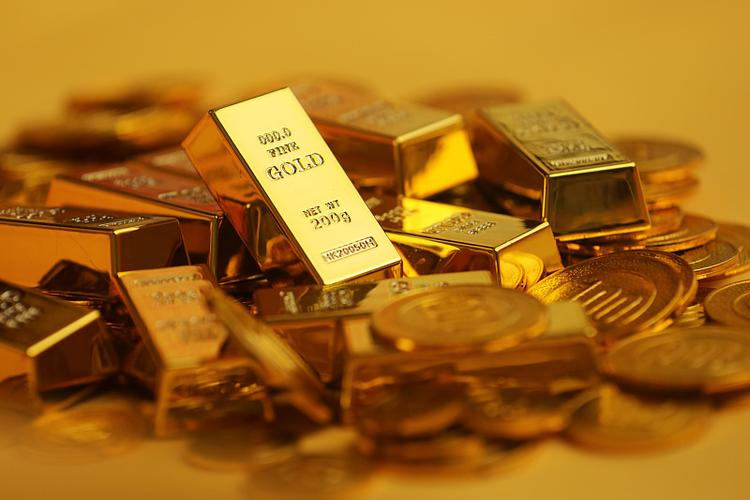
Nuclear conflict premium: In history, when the India Pakistan conflict escalated (such as the 2019 Pulwama attack), the average increase in gold prices over 10 trading days reached 4.2%. This time, due to both sides owning nuclear weapons, the safe haven premium is even higher; Physical demand supports bottom line: India’s gold imports in May are expected to reach 80 tons (wedding season+gold hoarding trend)
Empty logic:
China and the United States ease dominant sentiment: the trade ceasefire agreement is still fermenting, S&P 500 futures maintain a 0.8% increase, and funds are immune to “local conflicts”; The hawkish suppression of the Federal Reserve: If tonight’s CPI exceeds expectations (market expectation of 2.4%), the US dollar may break through 102, and the safe haven nature of gold will be offset by the interest rate advantage.
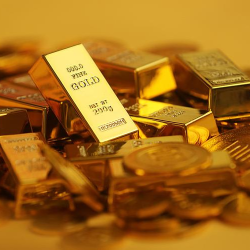
Modi’s tough stance has led South Asia back to a ‘high-risk mode’, but the market’s pricing for ‘limited conflict’ is not yet sufficient. Historical experience shows that when nuclear armed countries experience border conflicts, the “panic premium” of gold often reaches its peak within 72 hours – on May 13, 2025, this time window is counting down. For investors, $3200 is both the “lifeline” of physical buying in India and the “touchstone” of geopolitical risk – tonight’s US CPI data and midnight gunfire in Kashmir will jointly determine the next direction of gold prices.
 English
  Chinese
  Vietnamese