
Sydney NSW 2000. Level 2, 35
Clarence Street.
-
Trump announces a 35% tariff on Canada and plans to implement universal tariffs, causing another ripple in the global trade landscape
- July 11, 2025
- Posted by: Macro Global Markets
- Category: News
No Comments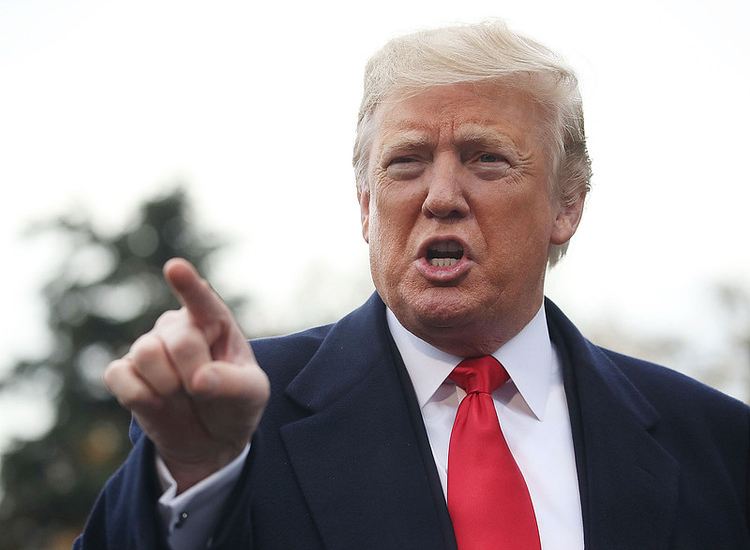
On July 10th local time, US President Trump announced on social media that he would impose a 35% tariff on goods imported from Canada starting from August 1st. This is another major trade policy adjustment by the Trump administration, following the 25% -40% tariff imposed on 14 countries including Japan and South Korea on July 7th. In a letter to Canadian Prime Minister Carney, Trump accused Canada of “taking retaliatory tariff measures” and emphasized that this tariff is independent of all industry tariffs. If Canada does not cooperate to prevent fentanyl from flowing into the United States, tariffs may be further increased. At the same time, Trump revealed in an interview with NBC that he plans to impose a unified tariff of 15% -20% on countries that have not yet received tariff letters, and the global trading system is facing a “tariff storm” of comprehensive upgrading.
-
Japan cuts interest rates and reduces debt + oil price at $85, can your US stock holdings withstand it?
- June 19, 2025
- Posted by: Macro Global Markets
- Category: News
On June 17, the Bank of Japan announced that it would maintain its target interest rate at 0.5%, keeping its monetary policy unchanged for the third consecutive time, in line with market expectations. The bank voted 8 to 1 to extend the existing bond reduction plan until March 2026, and reduce the monthly purchase of government bonds by about 200 billion yen per quarter from April 2026 until the monthly purchase scale is reduced to about 2 trillion yen from January to March 2027.
-
Tariffs strangle inflation VS immigration tears apart employment – the US economy is trapped in a policy paradox trap
- June 12, 2025
- Posted by: Macro Global Markets
- Category: News
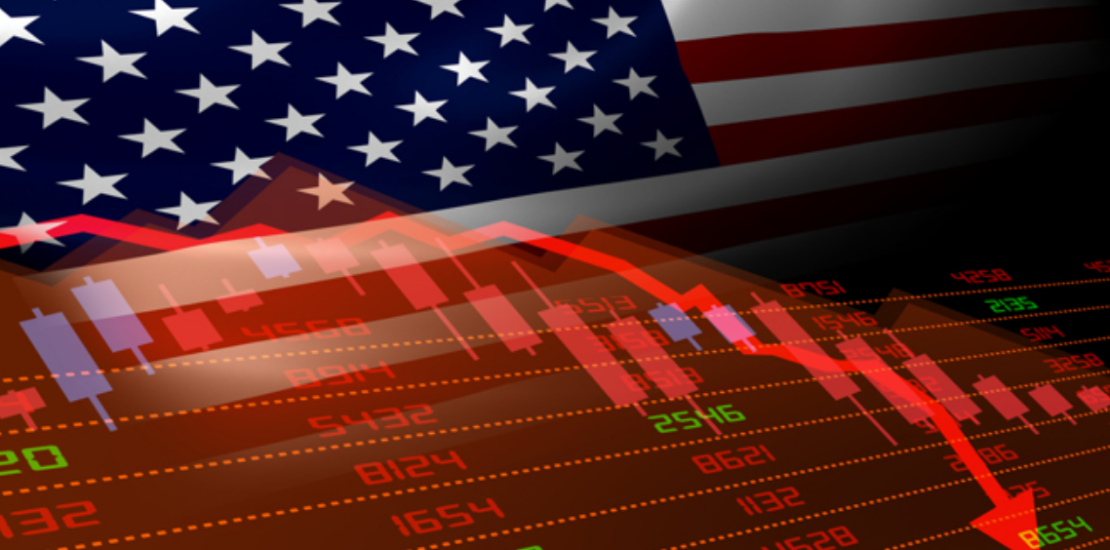
As the Trump administration’s tariff policy and immigration restrictions are affecting the U.S. economy at the same time, a set of seemingly contradictory data is causing the market to think deeply about the true health of the economy. The changes in the consumer price index (CPI) and the job market in May are essentially a microcosm of the distortion of economic signals under policy intervention, and this phenomenon is making the Federal Reserve’s monetary policy regulation fall into an unprecedentedly complex situation.
-
Asset allocation shift under the failure of traditional 60/40 portfolio: the struggle between gold, crude oil and Bitcoin
- May 30, 2025
- Posted by: Macro Global Markets
- Category: News

In recent years, the traditional 60/40 investment portfolio that focuses on stocks and bonds has gradually become ineffective under the impact of tariff policies and economic uncertainty. Goldman Sachs pointed out that long-term US Treasury bonds have failed to play a role in hedging the downside risks of the stock market recently. Whether it is the recession concerns caused by the tariff escalation in April or the surge in borrowing costs caused by fiscal sustainability concerns in May, US Treasury bonds have not reflected their safe-haven value. This phenomenon is not accidental. In history, during periods of inflation or commodity shocks, the stock and bond markets often fall simultaneously.
-
The Federal Reserve maintains interest rates stable: carefully weighing inflation and unemployment risks under the impact of tariffs
- May 9, 2025
- Posted by: Macro Global Markets
- Category: News

On Wednesday, Federal Reserve officials unanimously agreed to keep interest rates stable and warned of the risk of rising unemployment and inflation caused by tariffs. This decision reflects the Fed’s cautious attitude in the face of the complex economic situation brought about by the Trump administration’s tariff policy. This article will analyze in detail the Fed’s latest policy trends, market reactions, and possible future policy paths.
-
US military reaches ceasefire agreement with Houthis, Trump predicts’ epic news’ to disrupt gold market
- May 8, 2025
- Posted by: Macro Global Markets
- Category: News

On May 6th local time, US President Trump announced that the United States had reached a ceasefire agreement with the Houthi militants in Yemen and would cease airstrikes on them from that day on. This decision stems from the Houthis’ promise to stop attacking American ships in the Red Sea and the Strait of Mandeb in exchange for the end of a seven week, over $1 billion bombing campaign by the US military. However, the Houthis have made it clear that they will continue military operations against Israel until the blockade of the Gaza Strip is lifted.



 English
  Chinese
  Vietnamese