
The Israeli ground offensive has been upgraded! Tank intrusion into Gaza’s core area, joint condemnation by 25 countries triggers gold safe haven wave
- July 22, 2025
- Posted by: Macro Global Markets
- Category: News
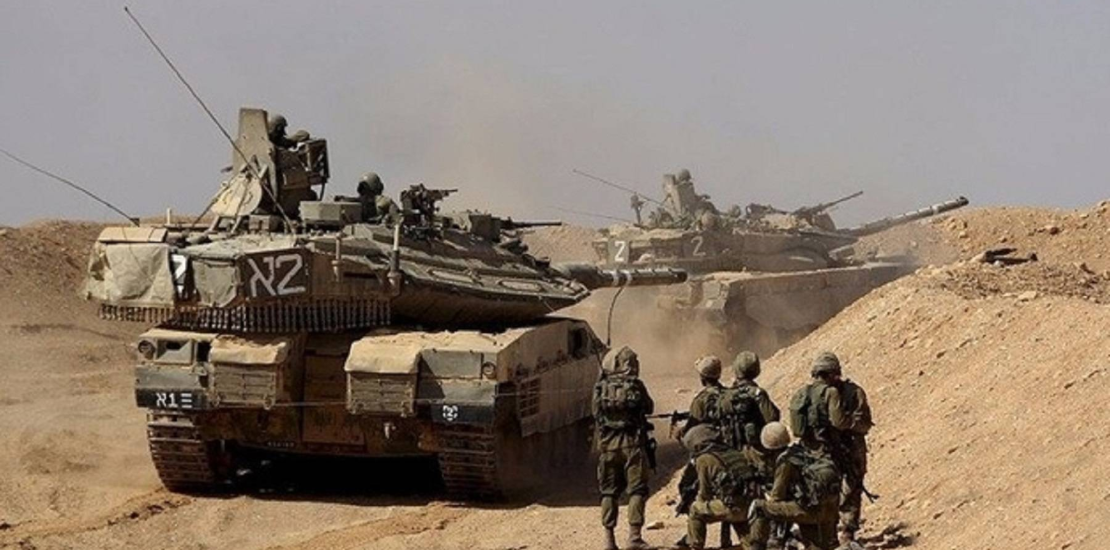
1、 Gaza situation heated up: Israeli tanks launch first attack on ‘hostage restricted zone’
On July 21st, the Israeli army launched a ground military operation against Deir ez Zor in the central Gaza Strip, marking the first time in 21 months since the outbreak of the Israeli Palestinian conflict that the Israeli army has entered the area. Deir al Barah is regarded by Israel as a “core forbidden zone” for Hamas to hold hostages, and the Israeli military’s operation aims to search for possible surviving hostages. However, the operation resulted in at least 130 deaths and 1155 injuries, and the cumulative death toll in the Gaza Strip has exceeded 59000. The coordinated operation of Israeli ground forces and air strikes has caused heavy damage to densely populated areas such as the Derbaylah refugee camp and the Al Aqsa hospital. The United Nations Office for the Coordination of Humanitarian Affairs (OCHA) warned that about 50000 to 80000 people in the area are under direct threat.
2、 25 countries jointly condemn: Israel accused of carrying out ‘inhumane massacres’
The escalation of the conflict has triggered a strong reaction from the international community. On July 21st, 25 Western countries including the UK, France, and Canada issued a joint statement condemning Israel’s military actions in Gaza as “inhumane massacres” and demanding an immediate ceasefire. The statement specifically criticized the Israeli military’s attacks on humanitarian aid distribution points, stating that over 800 civilians have lost their lives while receiving aid. The EU has threatened to use the Anti Coercive Instrument (ACI), which may restrict US companies from participating in the EU’s public procurement market as a countermeasure to US tariff policies. In response, the Israeli Ministry of Foreign Affairs strongly stated that the joint statement was “unrealistic” and accused Hamas of obstructing the ceasefire agreement.
3、 Geopolitical risk premium surges: Gold hits a five week high
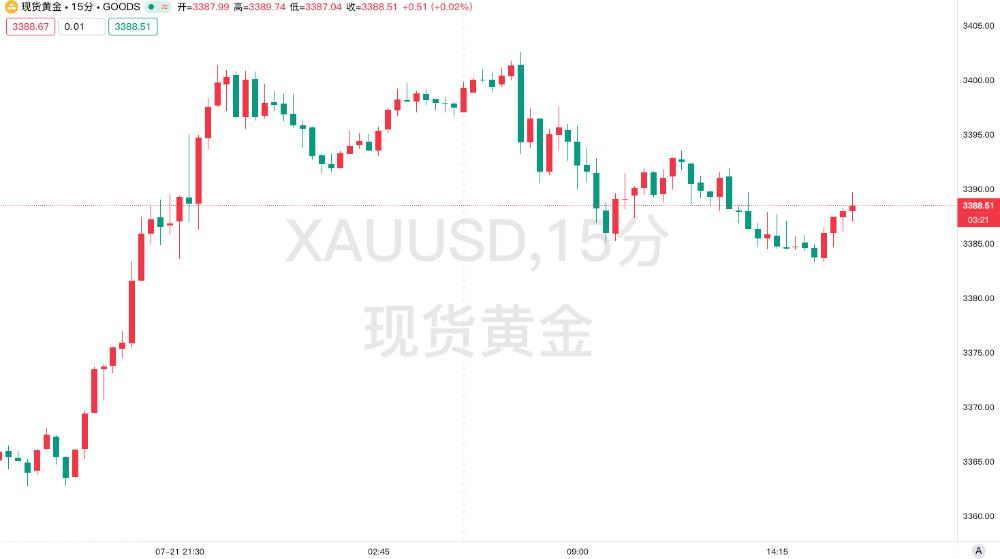
The deterioration of the situation in the Middle East has directly boosted market risk aversion. On the morning of July 22nd in the Asian session, spot gold jumped short and opened high at $3395.91 per ounce, reaching a high of $3402.43 during the session, setting a new high in five weeks. COMEX gold futures main contract closed up 1.55% to $3410.30 per ounce, while silver rose 2.02% to $39.24 per ounce. The US dollar index fell 0.64% to 97.83, hitting a one week low, due to the withdrawal of safe haven funds; The 10-year US Treasury yield fell to 4.348%, reducing the holding cost of gold.
In addition to the Gaza conflict, the Houthi armed forces in Yemen launched drone attacks on five targets within Israel on the 21st, in response to the Israeli military’s airstrikes on the port of Hodeidah, further exacerbating the geopolitical risk premium in the region. At the same time, the uncertainty of the Federal Reserve’s policies has also become a focus of the market: according to data from the Chicago Mercantile Exchange, traders expect the probability of a rate cut in September to rise to 59%, but US Treasury Secretary Vincent publicly called for a review of the Federal Reserve system on the 21st, questioning its hindering effect on economic growth and exacerbating policy expectation confusion.
4、 The central bank’s purchase of gold provides structural support
The global trend of central bank gold purchases provides long-term momentum for gold prices. The People’s Bank of China has increased its holdings of gold for the eighth consecutive month, with reserves reaching 2298.55 tons at the end of June. According to data from the World Gold Council, 95% of surveyed central banks plan to continue increasing their holdings in the next 12 months. In addition, the share of the US dollar in global external reserves has continued to decline, while the share of gold has increased. The U.S. debt/GDP ratio has hit a record high, and the process of de dollarization has accelerated, further strengthening the value of gold’s hedging allocation. Although China’s gold imports fell to 63 metric tons in June (the lowest since January), the short-term market trend has been dominated by safe haven demand from Europe, America, and emerging markets.
The current market needs to focus on three major variables: first, the final implementation of the US tariff list on August 1st. If the trade friction between Europe and the United States escalates, it may further push up commodity prices and inflation expectations. The second is the dovish signal strength of the Federal Reserve’s July 31 interest rate decision. The market currently expects the probability of keeping interest rates unchanged in July to be 84.5%, but the expectation of a rate cut in September has risen to 59%; The third is the latest trend of China’s central bank’s gold reserves, with an 8-month consecutive increase in holdings indicating that the demand for long-term strategic allocation has not changed.


 English
  Chinese
  Vietnamese